Tunis Ferries
Book your next trip!
Tunis Ferry
Tunis Ferry
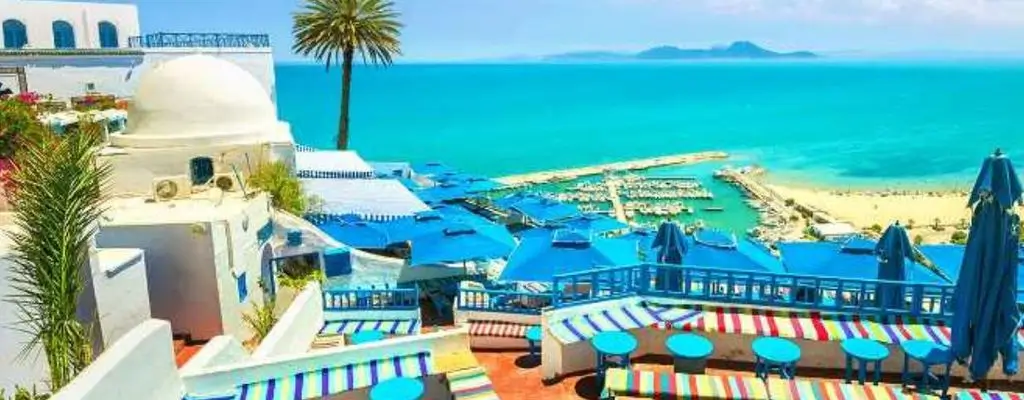
The port of Tunis plays a key role in the ferry network of Tunisia, offering a convenient, scenic, and often essential way to connect with nearby islands. With 2 ferry routes operated by 4 ferry companies, Tunis serves as a busy hub for both passenger and freight travel.
Ferries depart regularly from Tunis, with schedules varying seasonally depending on demand, weather conditions, and tourism activity.
Popular routes from this port include Civitavecchia - Tunis connecting Tunis with key coastal and island destinations. Depending on the route, crossings can range from quick local hops to longer overnight journeys, often with a choice between high-speed ferries and traditional vessels.
Operators such as Grimaldi Lines, Grandi Navi Veloci, Corsica Linea run regular services from Tunis, offering a range of onboard amenities including comfortable seating, food and drink options, cabins, and vehicle transport. Ticket options vary by company and vessel type, with choices to suit solo travellers, families, and business passengers alike.
Whether you're island hopping, heading home, or starting a new adventure, Tunis offers a reliable and enjoyable gateway to the sea.
Route Overview
Route Overview
Operators
Routes
Date Updated: 2025
Reaching the Gateway to Tunisia
Reaching the Gateway to Tunisia
Tunis is well-connected to Europe through its ferry terminal at La Goulette, located about 10km from the city center. Regular ferry services connect Tunis with Marseille (approximately 24 hours), Genoa (about 22 hours), and several other Mediterranean ports. The main railway station, Tunis Marine, offers convenient connections to the ferry terminal, with trains running frequently throughout the day. If arriving by car, ample parking is available at the ferry port, though it's advisable to arrive early during peak summer months. Taxis and bus services provide affordable transport options between the city center and the port area.
Routes
Routes
Tunis: Where Mediterranean Heritage Meets Modern North Africa
Tunis: Where Mediterranean Heritage Meets Modern North Africa
Nestled along Tunisia's northern coast, Tunis blends Arabic, French, and Mediterranean influences into a captivating cultural mosaic. The city's strategic location has made it a significant maritime gateway to North Africa since Phoenician times. Visitors arriving by ferry will find themselves immersed in a vibrant metropolis where ancient medinas stand alongside French colonial boulevards, creating an atmosphere that's both timeless and energetically contemporary.
Ideal Seasons to Experience Tunis
Ideal Seasons to Experience Tunis
Spring (April to June) and autumn (September to November) offer the most pleasant conditions to explore Tunis, with temperatures ranging from 15-25°C and minimal rainfall. Summer months (July-August) bring intense heat that can exceed 35°C, though the coastal location provides some relief with sea breezes. Winter remains mild with temperatures rarely dropping below 8°C, but occasional rainfall might disrupt sightseeing plans. Ferry services operate year-round, with increased frequency during summer to accommodate tourism demand. Consider timing your visit to coincide with Ramadan if you're interested in experiencing local traditions, though be aware that some businesses may operate on reduced hours.
Ferries to Tunis
Ferries to Tunis
Island Adventures and Coastal Gems from Tunis
Island Adventures and Coastal Gems from Tunis
Tunis serves as an excellent base for exploring Tunisia's Mediterranean treasures by ferry. The picturesque island of Djerba, reachable via a connecting ferry service, offers stunning beaches and unique Berber culture during a 4-5 hour journey. Sicily lies just across the Mediterranean, with ferries connecting Tunis to Palermo in approximately 10 hours, opening up Italy's largest island for exploration. For shorter excursions, consider the coastal town of Bizerte, just an hour north of Tunis by ferry, where pristine beaches and a charming old port await. The ferry routes crossing the sapphire Mediterranean waters provide spectacular views of the North African coastline, making the journey itself a memorable part of the adventure.
Unmissable Experiences in Tunisia's Capital
Unmissable Experiences in Tunisia's Capital
The UNESCO-listed Medina of Tunis stands as the city's crown jewel, with its labyrinthine streets housing the magnificent Ez-Zitouna Mosque and countless traditional souks selling everything from intricate carpets to aromatic spices. Just outside the city, the ruins of ancient Carthage offer a glimpse into Tunisia's Phoenician past, with impressive Roman baths and amphitheaters overlooking the Mediterranean. Food enthusiasts shouldn't miss sampling local specialties like brik (crispy pastry filled with egg and tuna) or chakchouka (pepper and tomato stew) at restaurants along Avenue Habib Bourguiba. The bohemian village of Sidi Bou Said, easily accessible from Tunis, enchants visitors with its blue-and-white architecture and panoramic sea views, making it perfect for an afternoon excursion from the port.
Fascinating Tidbits About Tunisia's Historic Port
Fascinating Tidbits About Tunisia's Historic Port
Tunis harbor at La Goulette derives its name from the Arabic 'Halq al-Wadi,' meaning 'throat of the river,' referencing the channel connecting Lake Tunis to the Mediterranean Sea. The city houses the Bardo Museum, which contains the world's largest collection of Roman mosaics, many salvaged from ancient sites throughout Tunisia. Tunis's central avenue was modeled after Paris's Champs-Élysées during the French protectorate period, earning the city its nickname as the 'Paris of North Africa.' The ancient city of Carthage, now a suburb of Tunis, was once Rome's greatest rival and was completely destroyed and rebuilt by the Romans after the Punic Wars.
FAQ
FAQ